
Benjamin Franklin, a celebrated American statesman, said: “Nothing is certain in this world except death and taxes.” It’s a note that may now apply to cryptocurrencies as Denmark plans to impose novel tax policy which targets unrealized capital gains from cryptocurrencies such as Bitcoin.
Denmark: Tax reform for crypto assets
The Danish government is about to take a bold step and initiate a pioneering tax reform covering digital assets such as Bitcoin.
It is considered as an unprecedented step as the cryptocurrency space has been subject to government regulation in many countries and there is an ongoing debate about implementing more government regulation and taxing it.
According to the Danish government, tax authorities will start collecting a 42% tax on unrealized cryptocurrency gains by 2026, which could be seen as a warning of things to come in the cryptocurrency space.
As part of their novel tax policy, the Danish authorities wanted to include Bitcoin and other cryptocurrencies in their current financial taxation. Unprecedented tax reform will treat cryptocurrencies as investment assets.
Cryptocurrency holders who hold digital assets that are not central bank-linked or backed by physical assets will have to pay a 42% tax on unrealized gains.
BTCUSD trading at $67,122 on the 24-hour chart: TradingView.com
Imposing a tax on crypto assets in the future
Danish Tax Law Council stated in a press statement that all cryptocurrencies must be taxed in the future in accordance with the country’s tax policy.
Tax authorities have clarified that the government already imposes tax on some asset-backed cryptoassets, so it is fair to impose tax rules on Bitcoin and other “unsecured cryptoassets” as well. The rule, according to the tax board, is consistent with tax policy applicable to other types of investments.
BREAKING: Denmark becomes the first country in the world to tax unrealized capital gains from cryptocurrencies from January 1, 2026. The tax on unrealized capital gains is 42%.
This will affect not only cryptocurrencies acquired from this date, but also cryptocurrencies obtained in the early days…
— Mads Eberhardt (@MadsEberhardt) October 23, 2024
Denmark’s tax board has admitted that taxing cryptocurrencies is a challenge for both the government and holders of crypto assets because cryptocurrencies they are not “centrally regulated” by a central bank or any other government institution.
Danish Tax Minister Rasmus Stoklund said the council’s tax recommendation has been updated so that cryptocurrency traders will be taxed more appropriately.
“In recent years, there have been examples of Danes who invested in crypto assets being subject to high taxation,” Stoklund noted, adding: “the recommendations could be a way to ensure more reasonable taxation of profits and losses for cryptocurrency investors.”
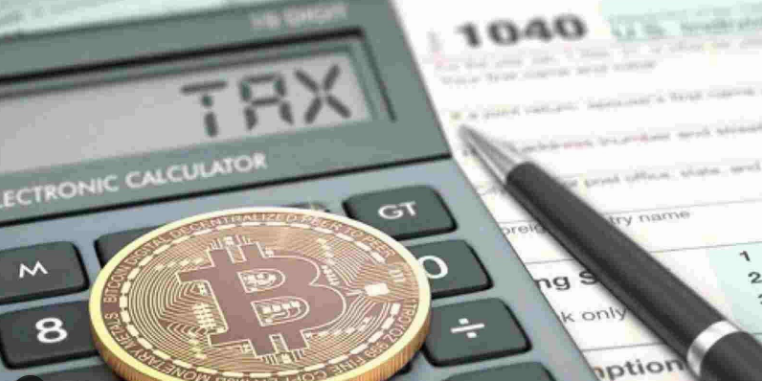
Image: Vidhi Centre for Legal Policy
Taxation of cryptocurrencies around the world
Creating a tax framework that covers crypto assets is a global trend. Other countries are also exploring how to impose taxes on digital assets.
In Italy, the government recently announced that it intends to introduce a cryptocurrency tax of 26% to 42%, a reform that Italian authorities see as a way to improve capital gains tax. This is part of the Italian government’s proposal for a comprehensive tax policy on profits from cryptocurrency investments.
Germany, on the other hand, has established a 10-year tax-free holding period for capital gains on digital assets, a softer move intended to encourage long-term investments among cryptocurrency users.
Around the world, many countries recognize the need for a structured tax framework for cryptocurrencies.
Featured image from Fedor Selivanov/Alamy Stock Photo, chart from TradingView
